Harvest might feel like the finish line, but for canola growers and their agronomists across the Canadian Prairies, it is also the best time to play detective.
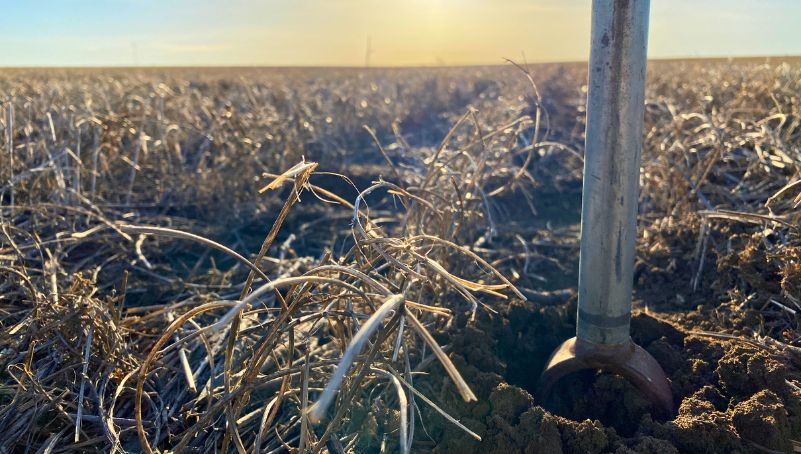
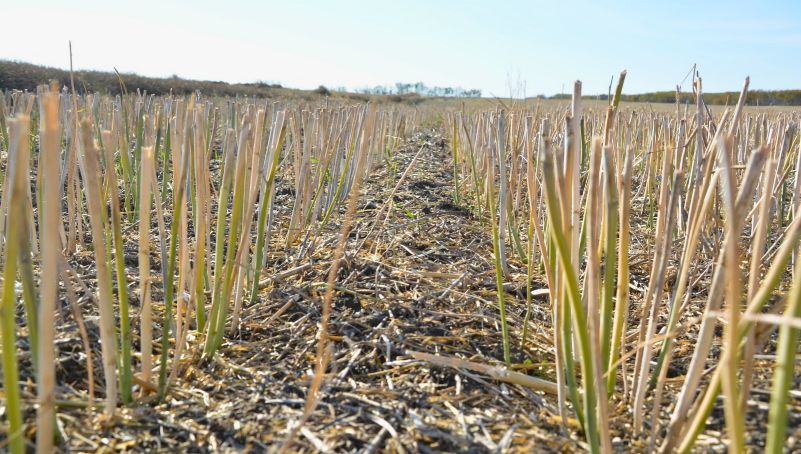
The 2026 crop may be done once the combines roll, but the stubble tells the story of what happened throughout the growing season. Finding these answers will allow you to plan better for 2027. There are a plethora of things you can learn during a pre or post-harvest walk in the field, such as how effective your weed control was and whether your seeding rate was ample. In this article though we are going to focus on two diseases that are commonly confused with each other - verticillium stripe and blackleg. They can look similar at first glance, but they behave differently, require different management approaches, and can have major implications for future crop rotations and hybrid decisions.
Walking fields at this point is crucial because both verticillium stripe and blackleg are diseases that leave their clearest fingerprints late in the season. By harvest, symptoms have matured, stems are easier to assess, and disease severity can be accurately measured. The information gathered now can help determine hybrid selection, crop rotation plans, disease risk, and potential yield losses in future canola crops.
A field with moderate to severe blackleg may benefit from a different resistance package next time canola returns. A field showing significant verticillium stripe may warrant longer rotations and increased attention to equipment sanitation because the disease is soil-borne and spreads through long-lived fungal structures.
If you find blackleg levels to be high, review resistance group choices and avoid repeatedly using hybrids with the same resistance source. Crop rotation and residue management remain important components of blackleg control.
Verticillium stripe is a problem because it reduces yield by blocking water and nutrient flow in stems1. This can cause weaker stems, which also reduces harvest ease and efficiency, while potentially increasing seeds left behind and increasing the volunteer canola weed seed bank. Management is less straightforward because fully resistant varieties and registered fungicide solutions remain limited. Current recommendations focus on disease awareness, longer crop rotations (at least three years between canola crops), and selecting more tolerant genetics where available. As this disease is spread through soil, management practices similar to clubroot should be implemented such as minimizing soil movement and sanitizing equipment. Additionally, a CCC study found that the presence of verticillium stripe increased the severity of blackleg infections2, indicating that yield impacts of verticillium infection may go beyond just the impact of this disease itself.
Verticillium stripe symptoms also become much more obvious as plants mature. Stem striping, peeling epidermis, and microscopic black structures called microsclerotia are particularly visible around swathing and after harvest. Whether you're walking standing crop, poking through windrows, or inspecting stubble after combining, the clues are there.
When scouting, pull at least 50 plants from various field areas. Then clip stems at the crown, slightly below the soil surface, and inspect the cross-section.
Here's what you're looking for:
Of your 50 plants, count how many have any degree of blackleg infection. This gives you your incidence level. Then, of your infected plants, use the CCC rating scale below to give each stem a severity rating. Calculate the average and this is your severity level.
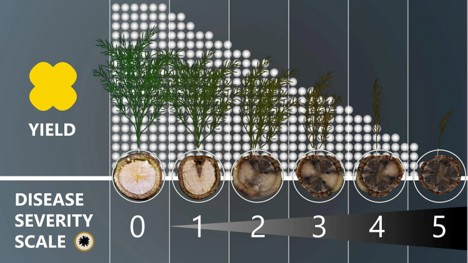
Photo courtesy of the Canola Council of Canada
Calculating these numbers matters as it tells you the real-world impact of having an infection. The CCC provides a handy Blackleg Loss Calculator to give you an economic impact for your specific situation. For example, if the incidence is 50%, and your average severity is 1.7 with an expected yield of 50 bu/ac and $16/bu canola, then the average loss is expected to be 1.27 bu/ac which equates to $20.31/ac. Knowing these numbers allows you to better plan management that could provide a positive ROI in 2027.
First identified in Manitoba canola in 2014, the disease has since been detected across the Prairie provinces and continues to attract attention from researchers and agronomists. It is caused by the soil-borne fungus Verticillium longisporum. Unlike blackleg, verticillium stripe infects roots and moves upward through the plant's vascular system. The disease often stays hidden until the crop approaches maturity.
The first giveaway is something that looks a little strange: one-sided stem ripening. A stem may appear healthy and green on one side while the opposite side turns yellow or brown. This "half-stem senescence" is one of the hallmark symptoms that gave the disease its name.
As plants mature further, look for: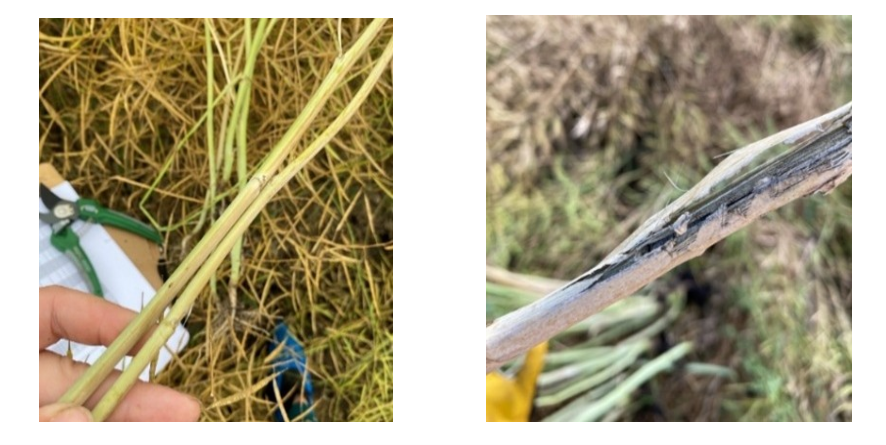 Photos courtesy of Manitoba Agriculture
The pepper-like microsclerotia are particularly important. These survival structures allow the pathogen to persist in soil and crop residue, making verticillium stripe a long-term management concern.
Just like for blackleg, calculate both your incidence and severity ratings:
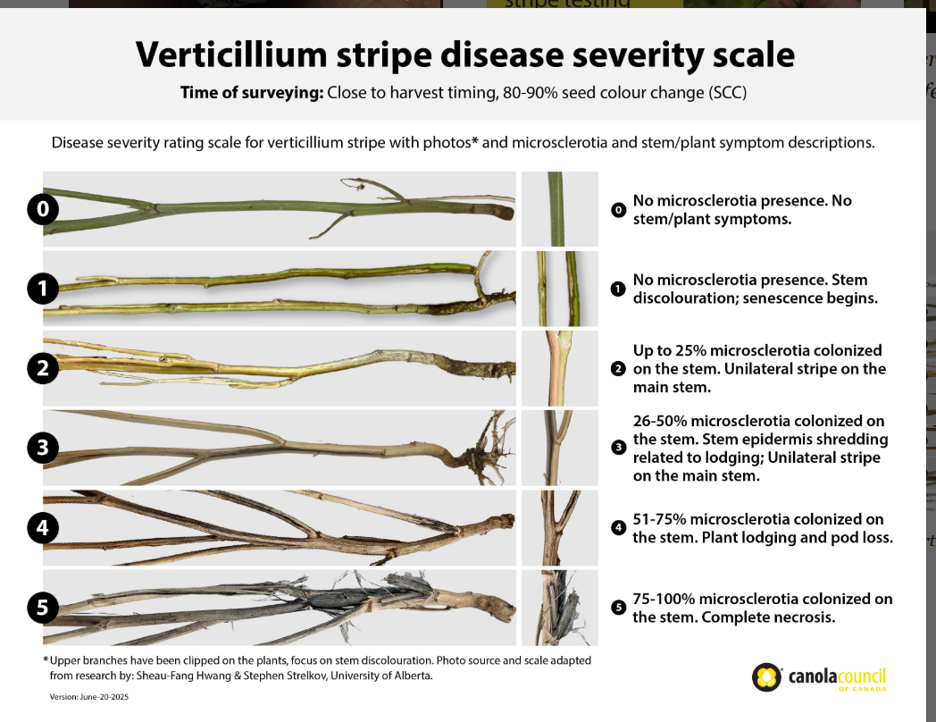
Photo courtesy of the CCC
While there is not yet an economic impact calculator available for verticillium, at least knowing whether or not this is a problem in your fields, and how large of problem it is, provides you with information for future management decisions.
Fortunately, a few clues make the diagnosis easier.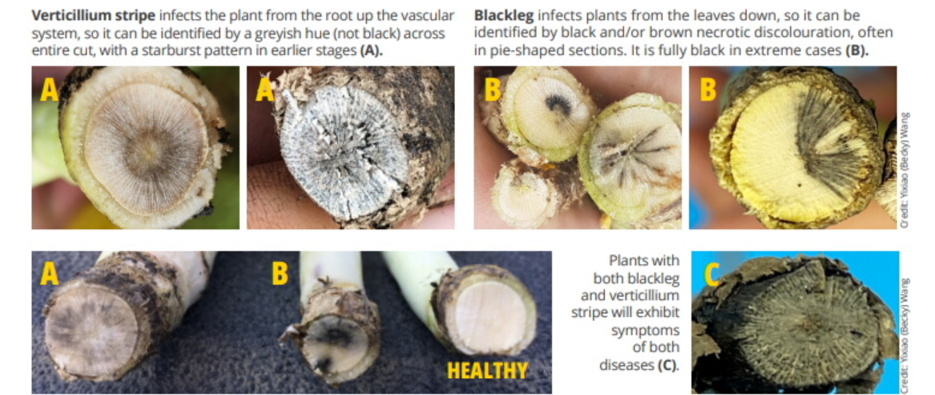
Photo courtesy of Sask Oilseeds
An important tip: don’t judge stems from the outside alone. Plenty of stems look rough after a Prairie growing season. The real evidence is on the inside.
It’s commonly said that you can’t manage what you don’t measure. As Prairie agriculture becomes increasingly data-driven, some of the most valuable information still comes from a pocketknife, a pair of pruning shears, and thirty minutes spent walking through stubble after harvest.
The combine may have finished its work, but the field still has plenty to teach.
[1] Province of Manitoba | agriculture - Verticillium Wilt of Canola Factsheet
[2] Verticillium Stripe - The Disease Management | Canola Council of Canada
The 2026 crop may be done once the combines roll, but the stubble tells the story of what happened throughout the growing season. Finding these answers will allow you to plan better for 2027. There are a plethora of things you can learn during a pre or post-harvest walk in the field, such as how effective your weed control was and whether your seeding rate was ample. In this article though we are going to focus on two diseases that are commonly confused with each other - verticillium stripe and blackleg. They can look similar at first glance, but they behave differently, require different management approaches, and can have major implications for future crop rotations and hybrid decisions.
Why bother scouting after harvest?
Let's start with the obvious question. The crop yield is set and headed for or already in the bin. Why spend time examining stems?Walking fields at this point is crucial because both verticillium stripe and blackleg are diseases that leave their clearest fingerprints late in the season. By harvest, symptoms have matured, stems are easier to assess, and disease severity can be accurately measured. The information gathered now can help determine hybrid selection, crop rotation plans, disease risk, and potential yield losses in future canola crops.
A field with moderate to severe blackleg may benefit from a different resistance package next time canola returns. A field showing significant verticillium stripe may warrant longer rotations and increased attention to equipment sanitation because the disease is soil-borne and spreads through long-lived fungal structures.
Why should you care?
Severe blackleg infections can effectively choke off water and nutrient movement, leading to premature ripening, lodging, reduced pod fill, and yield loss. Research referenced by the Canola Council of Canada (CCC) indicates that measurable yield losses begin as disease severity increases, making post-harvest assessments valuable for future management decisions.If you find blackleg levels to be high, review resistance group choices and avoid repeatedly using hybrids with the same resistance source. Crop rotation and residue management remain important components of blackleg control.
Verticillium stripe is a problem because it reduces yield by blocking water and nutrient flow in stems1. This can cause weaker stems, which also reduces harvest ease and efficiency, while potentially increasing seeds left behind and increasing the volunteer canola weed seed bank. Management is less straightforward because fully resistant varieties and registered fungicide solutions remain limited. Current recommendations focus on disease awareness, longer crop rotations (at least three years between canola crops), and selecting more tolerant genetics where available. As this disease is spread through soil, management practices similar to clubroot should be implemented such as minimizing soil movement and sanitizing equipment. Additionally, a CCC study found that the presence of verticillium stripe increased the severity of blackleg infections2, indicating that yield impacts of verticillium infection may go beyond just the impact of this disease itself.
When Should You Scout for Blackleg and Verticillium Stripe?
For both diseases, scouting around swath timing and continuing shortly after harvest offers the best opportunity to identify symptoms correctly. The CCC recommends assessing blackleg around 60% seed colour change, when basal stem cankers are easiest to see.Verticillium stripe symptoms also become much more obvious as plants mature. Stem striping, peeling epidermis, and microscopic black structures called microsclerotia are particularly visible around swathing and after harvest. Whether you're walking standing crop, poking through windrows, or inspecting stubble after combining, the clues are there.
How to Assess Blackleg Severity
Blackleg has been a Prairie canola companion for decades. Caused primarily by Leptosphaeria maculans, it typically infects plants early in the season, but the most damaging symptoms appear at the stem base later in the year.When scouting, pull at least 50 plants from various field areas. Then clip stems at the crown, slightly below the soil surface, and inspect the cross-section.
Here's what you're looking for:
- Black or dark brown discoloration in the crown area.
- Distinct wedge-shaped areas of infected tissue.
- Stem cankers at the base.
- Woody, dry rot symptoms.
- Infection largely confined to the lower stem and crown region.
Of your 50 plants, count how many have any degree of blackleg infection. This gives you your incidence level. Then, of your infected plants, use the CCC rating scale below to give each stem a severity rating. Calculate the average and this is your severity level.
Photo courtesy of the Canola Council of Canada
Calculating these numbers matters as it tells you the real-world impact of having an infection. The CCC provides a handy Blackleg Loss Calculator to give you an economic impact for your specific situation. For example, if the incidence is 50%, and your average severity is 1.7 with an expected yield of 50 bu/ac and $16/bu canola, then the average loss is expected to be 1.27 bu/ac which equates to $20.31/ac. Knowing these numbers allows you to better plan management that could provide a positive ROI in 2027.
How to Spot Verticillium Stripe
Verticillium stripe is the newer kid on the disease block.First identified in Manitoba canola in 2014, the disease has since been detected across the Prairie provinces and continues to attract attention from researchers and agronomists. It is caused by the soil-borne fungus Verticillium longisporum. Unlike blackleg, verticillium stripe infects roots and moves upward through the plant's vascular system. The disease often stays hidden until the crop approaches maturity.
The first giveaway is something that looks a little strange: one-sided stem ripening. A stem may appear healthy and green on one side while the opposite side turns yellow or brown. This "half-stem senescence" is one of the hallmark symptoms that gave the disease its name.
As plants mature further, look for:
- Vertical striping on stems.
- Peeling stem skin or epidermis.
- Tiny black, pepper-like microsclerotia beneath the peeled stem surface.
- Weak, brittle stems that may break or shred.
- Grey discoloration inside stem cross-sections.
Photos courtesy of Manitoba AgricultureThe pepper-like microsclerotia are particularly important. These survival structures allow the pathogen to persist in soil and crop residue, making verticillium stripe a long-term management concern.
Just like for blackleg, calculate both your incidence and severity ratings:
Photo courtesy of the CCC
While there is not yet an economic impact calculator available for verticillium, at least knowing whether or not this is a problem in your fields, and how large of problem it is, provides you with information for future management decisions.
Blackleg vs. Verticillium Stripe - Don't confuse the two
Distinguishing verticillium stripe from blackleg is one of the biggest scouting challenges on the Prairies.Fortunately, a few clues make the diagnosis easier.
- Blackleg typically creates dark, wedge-shaped discoloration confined to the crown near ground level. Verticillium stripe creates a lighter grey discoloration that can extend well up the stem.
- Blackleg produces pycnidia, which appear as larger black fruiting bodies associated with lesions. Verticillium stripe produces tiny, pepper-like microsclerotia beneath peeling epidermal tissue.
- Blackleg does not create the dramatic half-stem striping often associated with verticillium stripe.
Photo courtesy of Sask Oilseeds
An important tip: don’t judge stems from the outside alone. Plenty of stems look rough after a Prairie growing season. The real evidence is on the inside.
It’s commonly said that you can’t manage what you don’t measure. As Prairie agriculture becomes increasingly data-driven, some of the most valuable information still comes from a pocketknife, a pair of pruning shears, and thirty minutes spent walking through stubble after harvest.
The combine may have finished its work, but the field still has plenty to teach.
[1] Province of Manitoba | agriculture - Verticillium Wilt of Canola Factsheet
[2] Verticillium Stripe - The Disease Management | Canola Council of Canada